Quick Overview
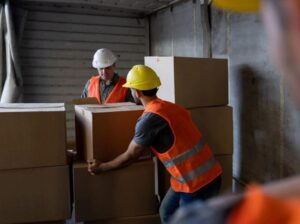
Manual handling—lifting, carrying, pushing, or moving objects—is common in workplaces like healthcare, construction, retail, and offices. Improper handling can lead to musculoskeletal injuries, missed workdays, and legal issues. The UK’s TILE method (Task, Individual, Load, Environment) helps reduce risks and promotes safe practices.
This blog will walk you through:
✅ What TILE stands for and how it assesses workplace tasks
✅ How Task, Individual, Load, and Environment influence safety
✅ Practical examples of TILE in healthcare, construction, retail, and office settings
✅ Benefits of implementing TILE, including injury prevention and legal compliance
✅ Steps for employers to encourage a TILE safety culture
✅ Why TILE fosters awareness, accountability, and overall workplace well-being
In many sectors, physical activity like lifting boxes in a warehouse, assisting patients in healthcare, carrying materials on a construction site, or even serving customers in a retail shop is commonplace, construction. In the UK, workplace injuries stemming from improper manual handling are rather common despite these operations appearing simple.
To mitigate the risk of workplace injuries, TILE is one of the models that healthcare professionals and safety trainers follow, which stands for Task, Individual, Load, and Environment. Adhering to these four principles of TILE enhances workplace safety. Adhering to these principles equips professionals with the ability to encourage safety in the working environment.
In this blog, we explore why TILE manual handling is important in the workplace, its health and safety benefits, as well as how your organisation can encourage its application in everyday activities.
The Reality of Manual Handling Injuries
The Health and Safety Executive (HSE) states that musculoskeletal disorders constitute more than 35% of work-related ill health cases in the UK. These injuries mainly occur due to inadequate lifting methods or exceeding physical capabilities.
The implications extend beyond superficial discomfort.
- Missed Workdays
- Increased Claims for Insurance
- Decreased Efficiency in Work
- Greater Turnover Rate of Employees
- Legal Actions from Workplace Injury to Company
Quite a few of these injuries can be avoided. This is where TILE gives us the best help.
What is TILE in Manual Handling?
TILE is a tool for risk evaluation, and its components are as follows:
- Task: What does the task involve?
- Individual: Who is performing the task?
- Load: What is being moved?
- Environment: Where is the task being performed?
It helps in thinking about safety before picking up a load. With this attitude, potential dangers are resolved before they become a concern. It is a proactive measure.
Complete Our ‘Occupational Health and Safety’ Course!
1.T – Task: Understanding the Movements Involved
Each manual processing activity contains some movements.
Why it matters:
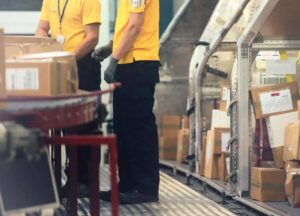
In an activity, it is essential to focus on how safely the activity can be performed. For instance, lifting light loads from below waist height repeatedly, especially with bad posture, will lead to injuries.
Consider this example:
An employee has to carry boxes from a delivery truck to a storeroom situated above on a narrow staircase. The biomechanics of their body twisting and moving in that specific way increases the chance of injury. Recognising this, the task could be changed—perhaps using lifting devices or a team approach.
2. I – Individual: Recognising The Skills Of The Individual
Strength, height, experience, physical condition, and even self-esteem vary among people. TILE places emphasis on whether the individual a-thing is right for the task and vice versa.
Why does it matter:
There are many factors that could aid or hinder a person’s performance. For example, one might have health issues, injuries, lack of training, or be fatigued and/or stressed.
Example:
In their first week in an organisation, an employee may not know how to lift properly. Extra support or training may be needed for them in order to aid them in fulfilling physically demanding responsibilities.
3. L – Load: Assessing Moving Material
What are the size, shape, and weight of the load? Is it stable? Hot or slippery? Sharp? Hard to grip?
Why does it matter:
The load’s specification affects the methods used to manipulate it. Even moderately heavy objects that are unstable and hard to grasp can be extremely dangerous.
Example:
While a sealed pack of liquids might not be heavy, shifting contents can increase the chances of dropping or straining.
4. E – Environment: Assessing The Surrounding Area
Just like the actual manual handling task, the physical workspace needs to be assessed. Are there tripping hazards? Is the space well lit? Is the environment too crowded, giving inadequate space to move?
Why it matters:
An otherwise safe task can become dangerous in a badly kept or cramped workspace.
Example:
Moving equipment down a narrow and cluttered hallway or through an area with slippery floors poses an increased risk of injury. Taking simple measures like clearing pathways and placing mats can drastically reduce risk.
Why TILE is More Than A Checklist
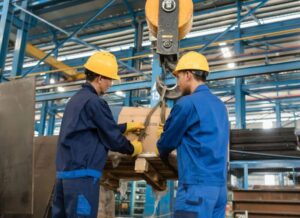
TILE is not just a checklist exercise. TILE promotes accountability and communication at all levels of a working team. Most importantly, it engenders a culture of safety that should be woven into the fabric of every successful organisation.
✔ Encourages Workers To Think Before They Act
Rather than shifting into autopilot, TILE requires users to stop and think about the associated risks. This conscious effort is the first step to injury prevention.
✔ Provides A Common Safety Vocabulary
TILE is quick to comprehend, making it popular across different sectors. It fosters a shared comprehension of manual handling hazards that both employees and managers can work with.
✔ Meets UK Legislation and Recommended Standards
Employers are obligated by the Manual Handling Operations Regulations 1992 to actively assess and mitigate the risks of manual handling activities. With TILE, employers can achieve compliance with these expectations.
What Are The Consequences Of Ignoring TILE In The Workplace
Without TILE in place, the workplace will likely experience:
- Persistent chronic back discomfort
- Injuries to joints, particularly knees, shoulders, and wrists
- Hernias, along with muscular tears
- Increased long-term absenteeism
- Compensatory claims from the workplace
In many reported injury cases, the actual issue is not just the burden being carried, but the lack of proper task evaluation in advance.
How To Implement TILE As An Employer
As an employer or manager, fostering a TILE culture requires more than training; it demands cohesive organisational frameworks.
✦ Provide Manual Handling Training
Conduct training sessions for all employees, especially for new employees and those in physically demanding positions.
✦ Encourage Daily TILE Verification Pre-Activity
Employees should be taught to mentally visualise the TILE framework before any handling tasks, even habitual ones.
✦ Regularly Assess the Workplace
Spaces change, so it is good practice to routinely check whether the area’s ventilation, lighting, floors, and organisation of materials can facilitate proper ergonomic support.
✦ Lead by Example
Team leaders should encourage the TILE approach to routine activities and demonstrate proper manual handling techniques.
TILE in Different Workplaces
All sectors of the economy can use TILE. Here are some examples:
🏥 Healthcare
In hospitals, staff must consider the patient’s medical condition (load), the staff’s individual condition (physical readiness), the task’s execution method (task), and the room layout to decide how to move the patient.
🏗 Construction
In construction, with the uneven terrain, the tools, bricks, and materials need to be moved carefully, so the TILE assessment is critical for every load being moved.
🛍 Retail
In retail, stocking shelves requires frequent bending and lifting; however, TILE can be used to minimise fatigue during peak periods.
🏢 Office Work
Office work also includes the application of TILE, such as when lifting boxes of papers or while moving equipment, though slips and strains are common in these settings.
Complete Our ‘Occupational Health and Safety’ Course!
Final Thoughts: Safety Is Everyone’s Responsibility
With TILE, transforming what many deem a simple approach makes routine tasks less hazardous. Work environments prioritising health and safety measures will find that incorporating TILE becomes instinctual, lowering injuries, boosting morale, and enhancing team productivity.
If you’re a team leader supervising a crew or simply an employee carrying your first box, be sure to keep in mind TILE: Task, Individual, Load, Environment.
Take the time to self-assess. Never underestimate the simple habit of evaluating yourself, as it can lead to a lot of pain and discomfort in the long run, and help cultivate a reliable workplace that caters to everyone’s needs.