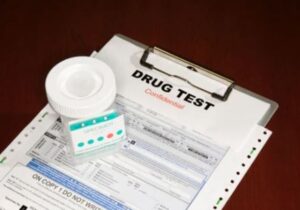
Drug abuse is a growing concern in both personal and professional settings, affecting health, safety, and productivity. To address this, drug abuse test kits have become essential tools for detecting the presence of illegal or misused substances in the body. These kits offer a quick, convenient, and reliable way to screen for drugs—whether in the workplace, at home, in schools, or in healthcare settings.
In this guide, we’ll explain the purpose of drug test kits, outline the procedures involved, and break down the different types available on the market today. Whether you’re an employer, parent, healthcare worker, or someone seeking more information, this post will help you understand the full scope of these important testing tools.
What Is a Drug Abuse Test Kit?
A drug abuse test kit is a medical device or tool used to detect the presence of specific drugs or their metabolites in a person’s system. These kits are designed to screen for recent drug use and are commonly used for screening and monitoring.
The kits are available in various formats—ranging from simple home-use strips to professional-grade laboratory tests—and can test different biological samples like urine, saliva, blood, or hair.
Purpose of a Drug Abuse Test Kit
✅ 1. Health and Safety Monitoring
Drug use can impair judgment, slow reaction time, and endanger not only the user but also those around them. Test kits are often used to maintain safe environments, especially in industries like construction, healthcare, and transport.
✅ 2. Workplace Drug Screening
Many employers use drug testing kits during the hiring process or randomly during employment to ensure a drug-free workplace and minimise risks related to liability or reduced productivity.
✅ 3. Rehabilitation and Recovery Monitoring
For individuals undergoing treatment for substance abuse, drug tests help track progress and accountability.
✅ 4. Parental and School Use
Some parents or school administrators use test kits to identify early signs of drug use and intervene before it escalates.
✅ 5. Legal and Forensic Use
Law enforcement and legal agencies may use drug tests in criminal investigations, probation conditions, or custody cases.
Enrol for Diploma in Drug and Alcohol Awareness!
Common Procedures for Drug Testing
While the exact procedure depends on the type of test, here’s a general overview of how drug testing is typically conducted:
🧪 Sample Collection
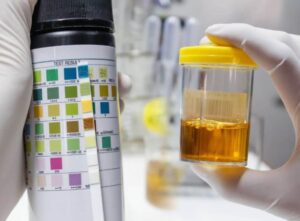
- Urine Test: Most common. The person provides a urine sample in a sterile container.
- Saliva Test: A swab is used to collect saliva from the mouth.
- Hair Test: A small sample of hair is cut close to the scalp.
- Blood Test: Drawn via needle, used for more accurate, recent-use detection.
🧫 Testing
- For home kits, test strips or cassettes are dipped into the sample.
- Results usually appear within 5 to 10 minutes.
- Lab-based tests may take a few days and involve more advanced analysis, such as gas chromatography or mass spectrometry.
🧾 Result Interpretation
- Most rapid test kits use colour indicators or lines (similar to pregnancy tests).
- Positive result: Indicates the presence of one or more targeted drugs.
- Negative result: Indicates no detectable drug levels.
- Invalid result: May occur due to incorrect use or contamination.
Types of Drug Abuse Test Kits
Urine Drug Test Kits
Most widely used. Detects a wide range of substances and is relatively non-invasive. Can detect drug use within the past few hours to days.
Commonly Detected Substances:
- Cannabis (THC)
- Cocaine
- Opiates
- Methamphetamine
- Benzodiazepines
- Ecstasy (MDMA)
Saliva Drug Test Kits
Detects recent use (within 24–48 hours) and is easy to administer without privacy concerns.
Advantages:
- Non-invasive
- Less chance of tampering
- Fast results
Hair Drug Test Kits
Detects drug use over a longer window (up to 90 days).
Advantages:
- Ideal for identifying chronic use
- Harder to adulterate
Limitations:
- Doesn’t detect very recent use (within past few days)
Blood Drug Test Kits
Highly accurate, but more invasive. Typically used in clinical or legal settings to confirm recent drug use or overdose.
Multi-Panel Drug Test Kits
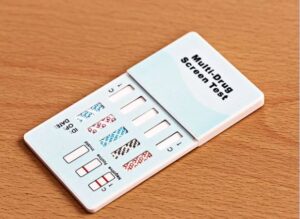
These kits test for multiple substances simultaneously. Common options include 5-panel, 10-panel, and 12-panel kits.
Example: A 10-panel test may check for cannabis, cocaine, opiates, amphetamines, methamphetamines, benzodiazepines, barbiturates, ecstasy, methadone, and oxycodone.
How Accurate Are Drug Test Kits?
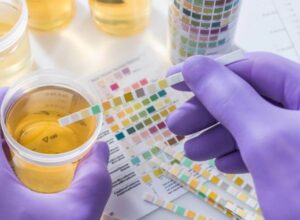
- Rapid tests (home or workplace) provide preliminary results and are highly reliable when used correctly.
- Laboratory tests are more accurate and are used to confirm positive results from initial screenings.
- Factors such as contaminated samples, incorrect usage, or certain medications can cause false positives or negatives.
💡 Always follow the instructions carefully or consult a professional when interpreting results.
Are Drug Test Kits Legal to Use?
In most countries, yes, drug test kits are legal and widely available for personal, clinical, and workplace use. However:
- Employers must comply with local employment laws and privacy regulations.
- For minors, consent and ethical use are essential, especially in schools or at home.
Enrol for Diploma in Drug and Alcohol Awareness!
Final Thoughts
Drug abuse test kits serve as critical tools for prevention, monitoring, and intervention in a variety of environments. Whether for personal use, workplace safety, legal reasons, or rehabilitation support, these kits offer a fast, accessible, and practical way to detect drug use.
🎯 Key Takeaways:
- Drug test kits detect the presence of specific substances in urine, saliva, hair, or blood
- They are used to support health, safety, accountability, and recovery
- Kits vary in accuracy, ease of use, and detection windows
- Understanding the procedure and purpose helps ensure ethical, effective use
In a world where early detection can make all the difference, drug test kits offer a first line of insight into one of society’s most pressing health concerns.