Quick Overview
Personal skills, often called soft skills, are traits and behaviours that shape how people manage themselves and interact with others. Unlike technical skills, they are not tied to tools or processes but to personality, communication, and adaptability. Employers value personal skills because they influence teamwork, resilience, and long-term success in any role.
This guide covers:
✅ Definition of personal skills and how they differ from technical or professional skills
✅ Common personal skills such as communication, teamwork, adaptability, and empathy
✅ Why personal skills are critical for employability and workplace success
✅ How personal skills compare with professional and technical skills
✅ Ways to develop and strengthen personal skills through practice and feedback
✅ Examples of personal skills in action in real-life situations
✅ How to highlight personal skills effectively on a CV and in interviews
What personal skills definition is? How are they distinct from technical or professional skills? And most importantly, why are employers so concerned about them? While searching for a job, considering a job interview, or addressing a mundane daily routine, one tends to come across these phrases quite regularly.
Whether you are a student, a job seeker, or someone who wishes to grow personally or professionally, grasping the concept of personal skills is the first building block towards unleashing your potential. We’ll cover all personal skills one step at a time.
What is Personal Skills Definition?
Personal skills, or soft skills, are the abilities and attributes that a person possesses to describe how they relate to and manage their dealings with other people. The skills are the product of one’s temperament and emotions. Personal skills are important for navigating daily life, completing tasks, and coping with change.
They are often considered to be difficult to measure and gauge an individual’s performance. While technical and academic skills, which can be taught in a classroom or through training, are crucial to the workplace, personal skills are also crucial.
📘 Simple Definition:
Personal skills are the traits and behaviours that enable you to engage and manage yourself within various situations and interact with people around you.
Personal skills can enable one to build relationships, manage stress, and solve problems, which are all important in one’s life and career.
Examples of Common Skills
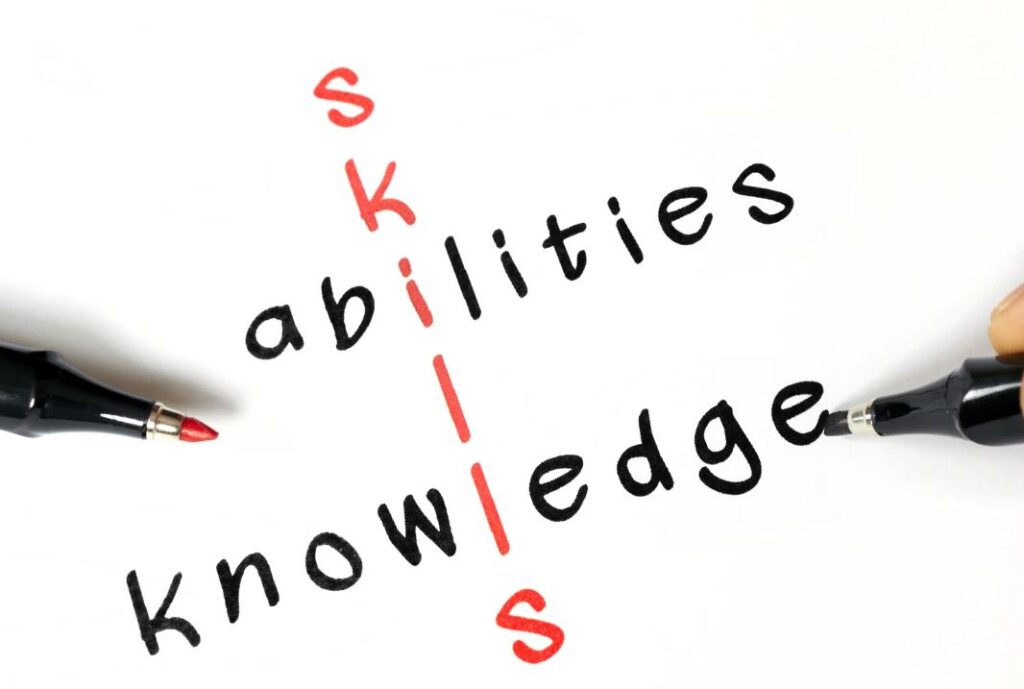
Here are some of the most valued personal skills across industries:
- Communication – Clearly expressing your thoughts and listening to others.
- Teamwork – Collaborating and working well with others.
- Adaptability – Adjusting quickly to change or new challenges.
- Problem-solving – Finding solutions efficiently and creatively.
- Time Management – Organising tasks and meeting deadlines.
- Resilience – Staying calm and focused under pressure.
- Self-Motivation – Taking initiative without being told.
- Empathy – Understanding and responding to other people’s emotions.
- Confidence – Believing in your own abilities and conveying that assurance.
- Integrity – Being honest, dependable, and trustworthy.
These are just a few, but they highlight how skills influence your day-to-day performance and how you relate to the world.
Why Are Skills Important?
Imagine two job applicants. Both have the same degree and technical know-how. But one is disorganised, impatient, and poor at communication. The other is composed, articulate, and a team player. Who’s getting the job?
Exactly.
Employers today aren’t just hiring based on qualifications. They’re looking for people who can:
- Work well in teams
- Communicate clearly
- Solve problems independently
- Adapt quickly
- Maintain a positive attitude
Studies show that personal skills are often stronger predictors of job success than technical ones, especially in customer-facing roles, leadership, and fast-changing industries.
Personal Skills vs Professional and Technical Skills
To understand personal skills better, let’s compare them to other types of skills:
| Type of Skill | What It Means | Example |
| Personal Skills | How you manage yourself & relate to others | Communication, Empathy |
| Professional Skills | Work-specific behaviour and conduct | Report writing, Business ethics |
| Technical Skills | Job-specific tools or processes | Coding, Data analysis |
While technical skills help you get the job, skills help you keep it—and excel.
Can Personal Skills Be Learned or Improved?
Absolutely. While many skills are linked to your personality or upbringing, that doesn’t mean they’re fixed. With practice, reflection, and feedback, you can develop and improve any personal skill.
Here’s how:
- Take feedback seriously – Be open to constructive criticism from colleagues, teachers, or mentors.
- Practise self-awareness – Reflect on your strengths and areas for growth.
- Read and learn – Books, courses, and even YouTube videos on communication, leadership, or emotional intelligence can help.
- Role-play or volunteer – Put yourself in new situations where you must adapt, communicate, or lead.
- Set small goals – Work on one skill at a time and track your progress.
Just like physical muscles, your skills grow stronger the more you use them.
Personal Skills in Action: Real-Life Examples
Let’s say you’re in university and get assigned a group project. The technical task may be straightforward, but challenges pop up:
- One member isn’t pulling their weight.
- Another has strong opinions and cuts others off.
- A deadline was missed.
It’s your skills that help you navigate these problems:
- You use communication to express concerns respectfully.
- You apply empathy to understand why someone might be struggling.
- You practise problem-solving to reassign tasks and meet deadlines
- You show leadership by motivating the group and keeping everyone focused.
That’s personal skills at work.
How to Highlight Personal Skills on Your CV or in an Interview
Personal skills often go unnoticed because they’re not tied to a certificate or degree. But they’re crucial to mention in job applications and interviews.
On Your CV:
Include a “Key Skills” section where you list a few relevant personal skills tailored to the job description.
Example:
Key Skills: Strong communication | Team collaboration | Adaptability | Time management
In your Work Experience section, use bullet points that show those skills in action:
“Worked collaboratively in a 5-member team to deliver a marketing campaign, ensuring clear communication and deadline management.”
In Interviews:
Don’t just say “I’m a good communicator.” Prove it with examples.
Q: Tell us about a time you had to solve a problem.
A: “During my internship, a delivery deadline was at risk. I communicated with both the supplier and our internal team to re-negotiate timelines and found an alternative supplier. It required teamwork, problem-solving, and quick thinking.”
Final Thoughts
Personal skills are the backbone of success—in relationships, in school, and at work. They show your ability to think, feel, and act responsibly in different situations.
And the best part? You already have many of these skills. You just need to recognise them, refine them, and let them shine—whether in your CV, a job interview, or just daily life.
Want to boost your skills and become more employable?
Start with small daily changes—like being more organised or listening actively—and over time, you’ll see a big difference.
Looking to build your personal and career skills in one go?
Explore our online courses on [Jobsland]—designed to help you develop personal growth, communication, leadership, and job-ready skills from the comfort of your home. Because success starts with you.