The Importance of Food Hygiene extends far beyond keeping a kitchen visibly clean. Restaurants and catering businesses receive, store, prepare, cook, transport and serve food, often under considerable time pressure. A single failure—such as inadequate handwashing, unsafe refrigeration or contact between raw and ready-to-eat food—can expose multiple customers to avoidable harm.
Quick Overview
The Importance of Food Hygiene is essential for keeping food safe, protecting customers and meeting UK food safety requirements. This guide covers key hygiene practices, HACCP, regulations, inspections and practical controls for restaurants and catering businesses.
This guide covers:
✅ What food hygiene is and why it is important for restaurants and catering businesses
✅ The difference between food hygiene, food safety and wider food safety management systems
✅ Why good hygiene practices help prevent contamination, protect customers and support legal compliance
✅ Key UK food hygiene responsibilities, including HACCP, inspections and hygiene ratings
✅ Essential food hygiene practices, including cleaning, cooking, chilling, cross-contamination control and allergen management
✅ How daily checks, staff training and effective management systems help businesses maintain safe food operations
Effective food hygiene practices help protect public health, support legal compliance and build customer confidence. They can also reduce food spoilage, operational disruption and the risk of an unsatisfactory food hygiene inspection outcome. For restaurants and catering businesses, maintaining high hygiene standards is therefore an essential part of safe and responsible food operations.
This guide explains the key responsibilities and practical controls that support effective food hygiene in restaurants and food hygiene in catering across the UK. It focuses on everyday practices that businesses can apply to help keep food safe, protect customers and maintain appropriate hygiene standards.
What Is Food Hygiene and Why Is It Important?
Food hygiene involves the practices and controls used to prevent contamination, protect public health and keep food safe throughout its preparation, storage, cooking and service.

What Is Food Hygiene?
A practical food hygiene definition is the collection of conditions, procedures and behaviours used to prevent food from becoming contaminated or unsafe during delivery, storage, preparation, cooking, cooling, transport and service.
When people ask what is food hygiene, they often think first of handwashing and cleaning. These are essential, but food hygiene also includes temperature control, allergen management, pest prevention, safe waste handling, suitable equipment and ensuring that staff are fit to work.
The Importance of Food Hygiene lies in treating food safety as a continuous process rather than a one-off cleaning task. For example, a chilled delivery should be checked and stored promptly, raw ingredients should be kept separate from ready-to-eat food, and cooking and reheating procedures should be followed correctly. Prepared dishes should also be protected from contamination until they are served to the customer.
Food Hygiene vs Food Safety
Food hygiene is an important part of the wider concept of food safety. Hygiene mainly focuses on preventing contamination and controlling conditions that can allow harmful microorganisms to grow. Food safety has a broader scope and also covers chemical and physical hazards, allergens, supplier controls, traceability, labelling and the withdrawal or recall of unsafe products.
For example, cleaning and sanitising a work surface is a food hygiene activity. Managing the risk of broken glass, preventing undeclared allergens or responding to a recalled ingredient falls within the wider food safety system.
Understanding this distinction helps businesses identify the controls they need at each stage of their food operation and apply them consistently.
Why Food Hygiene Matters in Restaurants and Catering
Effective food hygiene in restaurants helps prevent foodborne illness by creating several layers of protection. These include checking deliveries, storing food safely, maintaining good hand hygiene, separating raw and ready-to-eat foods, cooking food thoroughly, controlling refrigeration temperatures and following effective cleaning procedures. These controls are particularly important in commercial kitchens, where one preparation or batch of food may be served to a large number of customers.
The same principles apply to food hygiene in catering, where food may be prepared in advance, transported to another location or served in temporary and high-volume settings. Catering businesses need reliable procedures for temperature control, transportation, storage, preparation and service to help maintain food safety throughout the process.
Good hygiene practices are also important for protecting vulnerable customers. Children, older people, pregnant people and individuals with weakened immune systems can face more serious consequences from some foodborne illnesses. Customers with food allergies also rely on accurate allergen information and careful controls to minimise the risk of allergen cross-contact.
So, why is food hygiene important? The answer goes beyond preventing illness. Food businesses have a responsibility to manage food safely, train staff appropriately and maintain suitable food safety management procedures, including HACCP-based controls where applicable. Consistently high standards can help build customer trust, support regulatory compliance and reduce avoidable problems such as food spoilage, waste and operational disruption.
For restaurants and catering businesses, effective food hygiene is therefore an everyday responsibility. Clear procedures, appropriate staff training, good record-keeping and consistent monitoring help demonstrate that food safety controls are not only in place but are being followed in practice.
UK Food Hygiene Laws and Responsibilities
Understanding the Importance of Food Hygiene starts with knowing the legal responsibilities that apply to food businesses across the UK. While the overall principles of safe food handling are consistent, specific requirements and inspection schemes can differ between England, Wales, Northern Ireland and Scotland.
Food Standards Agency
The Food Standards Agency (FSA) is responsible for food safety and food hygiene in England, Wales and Northern Ireland, working with local authorities to support enforcement. In Scotland, Food Standards Scotland (FSS) has the corresponding national role, while local authorities carry out food hygiene inspections and enforcement in practice.
Restaurants, cafés, takeaways and catering businesses should check the requirements that apply in the UK nation where they operate. Businesses should also be aware that food hygiene rating and display arrangements are not identical across the UK.
Food Hygiene Rating Scheme
The Food Hygiene Rating Scheme (FHRS) operates in England, Wales and Northern Ireland. Eligible food businesses are given a rating from 0 to 5 based on the hygiene standards found during their most recent inspection:
| Rating | Meaning |
| 5 | Very good |
| 4 | Good |
| 3 | Generally satisfactory |
| 2 | Improvement necessary |
| 1 | Major improvement necessary |
| 0 | Urgent improvement necessary |
A food hygiene rating for restaurants is based on three main areas: hygienic food handling, the physical condition of the premises and facilities, and the business’s food safety management procedures. It is not a rating of food quality, taste, nutrition, service or value for money.
Businesses in Wales and Northern Ireland are legally required to display their ratings prominently at the premises. In England, displaying the rating remains voluntary, although businesses are encouraged to display it. Scotland operates a separate Food Hygiene Information Scheme (FHIS), which uses outcomes such as Pass, Improvement Required and Exempt Premises rather than the 0-to-5 FHRS scale.
For restaurant owners and managers, a rating should not be viewed simply as an inspection result. It can provide useful evidence of how well food hygiene practices in restaurants are being maintained in areas such as food handling, premises condition and food safety management.
HACCP Requirements
HACCP stands for Hazard Analysis and Critical Control Point. A HACCP-based food safety management system identifies significant food safety hazards and establishes controls to prevent, eliminate or reduce those hazards to an acceptable level.
Depending on the business, this may involve identifying critical control points, setting appropriate limits, monitoring controls, taking corrective action when something goes wrong, verifying that procedures are effective and keeping suitable records.

The system should reflect the business’s actual menu, ingredients, equipment, premises and working methods. A generic HACCP document copied from another business may not adequately address the risks created by different foods or processes. The FSA’s MyHACCP guidance similarly emphasises that food safety procedures should identify and control hazards relevant to the individual business.
For smaller restaurants and catering businesses, practical food safety management resources such as the FSA’s Safer Food, Better Business packs may provide a more suitable approach where the food preparation processes are relatively simple.
Legal Responsibilities of Food Businesses
The food business operator has overall responsibility for ensuring that food is handled safely. Although specific duties can be delegated to managers and employees, the business must provide suitable premises, equipment, procedures, training and supervision.
Staff should have the knowledge and practical skills necessary for the food-handling duties they perform. Food handlers do not universally need to hold a specific food hygiene certificate; what matters is that they receive appropriate training, instruction or supervision for their role and can demonstrate that they understand and follow safe working practices. FSA guidance emphasises the importance of effective staff training and supervision.
For businesses, maintaining effective restaurant food hygiene is therefore an ongoing responsibility rather than something that only matters immediately before an inspection. Regular checks, appropriate records, staff supervision and reviews of food safety procedures can help ensure that controls remain suitable as menus, suppliers, equipment or working practices change.
Following these principles is an important part of protecting customers, meeting applicable food hygiene regulations for restaurants and demonstrating that food safety is actively managed in day-to-day operations.
The 4 Cs of Food Hygiene: Essential Best Practices
Understanding the Importance of Food Hygiene means applying safe practices consistently throughout food preparation, storage, cooking, transport and service. The 4 Cs—Cleaning, Cooking, Chilling and Cross-Contamination—provide a practical framework for managing some of the most common food safety risks in restaurants and catering operations.
Cleaning
Personal hygiene begins with proper handwashing before preparing food and after handling raw food, using the toilet, cleaning, touching waste or handling frequently touched items. Gloves do not replace handwashing and can spread contamination if they are used incorrectly or changed too infrequently.
Cleaning removes food residue, grease, dirt and other visible contamination from surfaces and equipment. Disinfection reduces microorganisms when the correct product, concentration and contact time are used. A suitable cleaning schedule should state what needs to be cleaned, how often it should be cleaned, who is responsible and which cleaning method or product should be used.
Pest control is also an important part of effective cleaning and premises maintenance. Deliveries should be checked for signs of pests or damage, waste should be managed appropriately, potential entry points should be sealed or repaired, and ingredients should be stored securely.
These measures form an important part of the food hygiene definition in practical terms: preventing contamination by maintaining suitable conditions and following safe working procedures.
Cooking
Food must reach an effective combination of time and temperature to control harmful microorganisms. The Food Standards Agency (FSA) identifies 70°C for two minutes as one recognised standard, with equivalent combinations available, such as 75°C for 30 seconds. Where appearance cannot reliably confirm that food is safe, a clean and suitable food probe should be used to check the temperature.
Reheating should be carried out rapidly and thoroughly. Hot-holding equipment should not normally be used to warm cold food slowly unless it has been specifically designed for this purpose. Food businesses should have clear procedures explaining the required cooking or reheating outcome and what corrective action should be taken if the required result is not achieved.
For catering food hygiene, cooking controls become particularly important when food is prepared in large quantities or served to many people. Businesses should ensure that equipment, cooking methods and staff practices are suitable for the volume and type of food being prepared.
Chilling
Raw food should generally be stored below ready-to-eat food so that leaks or drips cannot contaminate food that will not receive further cooking. Prepared food should be covered, protected from contamination and labelled clearly where appropriate.
In England, Wales and Northern Ireland, relevant chilled food generally needs to be kept at 8°C or below, while the FSA recommends that refrigerators are operated at 5°C or below to provide a practical safety margin. Businesses should establish appropriate temperature limits and ensure that staff understand how to monitor equipment and respond if temperatures exceed those limits.
Effective food hygiene for catering businesses must also account for chilling during transport. Journey length, delays, weather conditions, suitable containers and refrigeration facilities at the destination should all be considered before chilled food leaves the main kitchen.
Temperature records can provide useful evidence that controls are being monitored, while regular checks can help identify equipment problems before they compromise food safety.
Cross-Contamination
Colour-coded equipment can support effective separation, but only when staff understand the system and use it consistently. Damaged chopping boards and utensils should be replaced, while raw and ready-to-eat activities may require separate storage areas, work surfaces, utensils or preparation times.
Safe food handling must account for potential contamination through hands, cleaning cloths, mobile phones, food packaging, taps, food probes, aprons and other frequently handled items. Effective restaurant food hygiene considers how food, employees, equipment, packaging and waste move through the premises and where contamination could occur.
Allergen management is another important consideration. Businesses need accurate ingredient information and appropriate controls to reduce the risk of allergen cross-contact. For non-prepacked food, the Food Standards Agency advises that written allergen information supported by a conversation with the customer is the best approach.
Why Is Food Safety and Hygiene Important?
Understanding why is food safety and hygiene important requires looking at the complete food-handling process rather than focusing on one individual task. Cleaning, cooking, chilling and preventing cross-contamination work together to create multiple layers of protection against foodborne illness and other food safety hazards.
For restaurants and catering businesses, these controls should be reflected in practical food safety procedures, staff training, supervision and routine checks. Applying them consistently helps protect customers, support legal compliance and demonstrate that food safety is actively managed in day-to-day operations.
Food Safety Management in Restaurants and Catering
Understand how food safety management systems, HACCP principles, staff training and record keeping help restaurants and catering businesses maintain safe food standards.
What Is a Food Safety Management System?
The Importance of Food Hygiene is reflected in having a structured food safety management system. This is an organised collection of procedures, responsibilities, checks and records used to identify and control food safety hazards. It may cover suppliers, deliveries, storage, preparation, cooking, cooling, cleaning, allergen management, staff illness, pest control and waste.
For catering food hygiene, the Importance of Food Hygiene also extends to activities outside the main kitchen. A suitable system should consider loading, transportation, temporary premises, water availability, equipment failure and the safe handling of leftover food. These controls should reflect the actual way the catering business operates.
Applying HACCP
The Importance of Food Hygiene can be supported through a HACCP-based approach. Managers should examine each stage from delivery through to service and identify what could go wrong. For each significant hazard, the business should establish appropriate controls, methods for monitoring them and clear corrective actions for situations where controls fail.
The Importance of Food Hygiene also means ensuring that corrective action addresses both the affected food and the underlying cause of the problem. Moving stock from a refrigerator that has become too warm may deal with the immediate issue, but repeated temperature failures may indicate a need for equipment maintenance, staff retraining or changes to loading and storage procedures.
Staff Training and Responsibilities
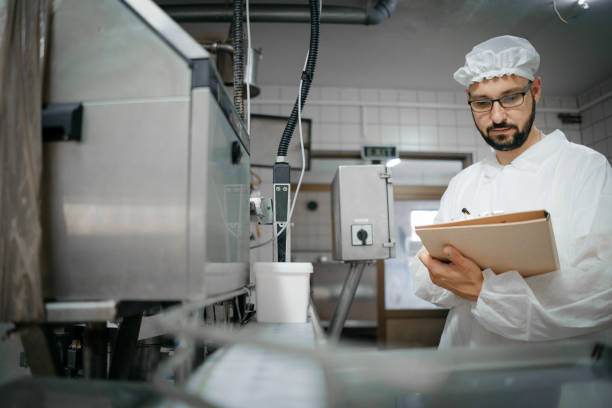
The Importance of Food Hygiene depends heavily on staff having the knowledge and practical skills required for their individual roles. Front-of-house staff need appropriate knowledge of allergen communication and personal hygiene, while kitchen staff need relevant instruction in food storage, cooking, cleaning and cross-contamination controls. Supervisors should also understand how to carry out monitoring and take appropriate corrective action.
The Importance of Food Hygiene should also be considered when choosing external training. Jobsonline operates as a UK jobs and course marketplace and lists learning opportunities from multiple providers. Anyone considering food hygiene training through the platform should check the current provider, course syllabus, assessment method and certificate status. Completing a course can support knowledge and awareness, but it does not automatically demonstrate workplace competence, guarantee legal compliance or lead to employment.
Monitoring and Record Keeping
The Importance of Food Hygiene is demonstrated through consistent monitoring and suitable record keeping. Useful records may include delivery checks, refrigerator temperature readings, cooking temperatures, cleaning schedules, allergen information updates, pest sightings and corrective actions.
The Importance of Food Hygiene also means ensuring that records accurately reflect what happened in the business. Checks should be completed at the relevant time and recorded honestly. Repeated identical readings or forms completed later from memory may reduce confidence that genuine monitoring took place and can make it harder for managers to identify recurring food safety problems.
Reliable records can therefore provide useful evidence that food safety procedures are being followed, while also helping managers identify trends, investigate problems and improve controls where necessary.
How to Improve Your Food Hygiene Rating
Discover how effective procedures, comprehensive employee instruction, precise documentation and robust management systems enable restaurants and caterers to enhance their official rating.
What Inspectors Look For
The Importance of Food Hygiene is reflected in the areas inspectors assess when visiting a food business. Depending on the relevant UK inspection arrangements, inspectors consider hygienic food handling, the condition of the premises and facilities, and the business’s food safety management procedures. They may observe staff practices, inspect food storage and equipment, review relevant records and ask employees how they respond when a food safety check identifies a problem.
Preparing for an Inspection
The Importance of Food Hygiene means that the best preparation for an inspection is to maintain appropriate standards every day, rather than making temporary changes shortly before an inspection. Managers should routinely check handwashing facilities, refrigeration, food separation, allergen information, cleaning, pest control and premises maintenance. Any issues identified during previous inspections should be addressed, and written food safety procedures should accurately reflect the practices currently followed by the business.
Common Reasons Businesses Lose Marks
The Importance of Food Hygiene becomes particularly clear when businesses fail to maintain basic controls. Common weaknesses can include inadequate cleaning, damaged or poorly maintained surfaces, evidence of pest activity, unsafe food storage, inadequate temperature control, outdated allergen information and incomplete or unreliable records. Businesses may also undermine confidence in their food safety management when staff cannot explain the procedures they are expected to follow or demonstrate how they would respond when a control fails.
Maintaining the Importance of Food Hygiene as part of everyday operations can help businesses identify problems before an inspection and take corrective action promptly. Regular staff supervision, documented checks and reviews of food safety procedures can provide practical evidence that hygiene standards are actively managed rather than addressed only when an inspection is due.
Daily Food Hygiene Checklist for Restaurants and Caterers
A daily checklist supports consistent standards and demonstrates the Importance of Food Hygiene by helping restaurants and caterers identify and address potential risks before they affect food safety.
Before Opening
The Importance of Food Hygiene starts before food preparation begins. Staff should check refrigeration temperatures, handwashing facilities, food labels, general cleanliness, signs of pest activity and current allergen information. Any issue that could affect food safety should be reported and addressed before service begins.
During Food Preparation
The Importance of Food Hygiene is particularly important during food preparation, when the risk of contamination can increase. Staff should keep raw and ready-to-eat foods appropriately separated, wash their hands at the required times, use clean and suitable equipment, and complete relevant food safety checks. Any failed control should be recorded and followed by appropriate corrective action.
Throughout Service
The Importance of Food Hygiene continues throughout service, not just during preparation. Staff should protect displayed food from contamination, maintain appropriate hot and cold temperature controls, manage allergen orders carefully and take prompt action whenever an established food safety limit is not met.
End-of-Day Closing Checks
The Importance of Food Hygiene also applies at the end of each working day. Suitable leftover food should be cooled, covered, labelled and stored safely where appropriate, while food whose safety cannot be confirmed should be discarded. Staff should complete scheduled cleaning, secure waste appropriately and report maintenance issues that could affect food safety.
Common Food Hygiene Mistakes to Avoid
The Importance of Food Hygiene can be undermined by poor staff training, generic HACCP documents, incomplete records and unclear cleaning schedules. A further common mistake is treating inspection preparation as a last-minute cleaning exercise rather than maintaining appropriate standards throughout the year. Food safety procedures should reflect the actual business and operate consistently every day, particularly during busy periods when shortcuts are more likely to occur.
Regular supervision, accurate record keeping and periodic reviews of food safety procedures can reinforce the Importance of Food Hygiene and help businesses identify weaknesses before they become significant problems. Managers should ensure that written procedures remain up to date and that staff understand how to apply them in real working conditions.
Frequently Asked Questions
Is food hygiene training a legal requirement in the UK?
The Importance of Food Hygiene means that food handlers must receive appropriate supervision, instruction or training relevant to their duties. However, food handlers do not universally need to hold a particular food hygiene certificate. Businesses should ensure that staff have the knowledge and practical skills necessary to handle food safely in their specific roles.
How often are restaurants inspected?
The Importance of Food Hygiene is reflected in the risk-based approach used for food hygiene inspections. There is no single inspection interval that applies to every restaurant. Local authorities generally consider factors such as the type of food business, the level of risk and the business’s previous compliance when determining inspection priorities.
What food hygiene rating should a restaurant aim for?
The Importance of Food Hygiene is reflected in the Food Hygiene Rating Scheme, where the highest rating is 5, meaning that hygiene standards are considered very good. Restaurants covered by the scheme should aim to maintain consistently high standards rather than focusing solely on achieving a particular rating before an inspection.
Who enforces food hygiene laws in the UK?
The Importance of Food Hygiene is supported by a system of national food authorities and local enforcement. Local authorities carry out most food hygiene inspections and enforcement activities for restaurants and catering businesses, working within the relevant legal and regulatory framework for England, Wales, Northern Ireland or Scotland.
How can a business improve its food hygiene rating?
The Importance of Food Hygiene can be demonstrated by taking prompt action when problems are identified. A business should address inspection findings, repair structural or equipment defects, improve working practices, provide appropriate staff training and regularly review whether its HACCP-based food safety management system remains suitable and effective.
Is food hygiene only the chef’s responsibility?
No. The Importance of Food Hygiene means that everyone involved in handling, preparing, serving, cleaning, storing or transporting food has a role to play. Managers, chefs, kitchen assistants, front-of-house staff, cleaners and delivery personnel can all affect food safety through their actions and working practices.
Can an online course guarantee compliance?
No. The Importance of Food Hygiene cannot be demonstrated by training alone. An online course may help develop knowledge and awareness, but compliance also depends on suitable premises, equipment, procedures, supervision, monitoring and how effectively staff apply food safety controls in the workplace.
Why is food safety and hygiene important for caterers?
The Importance of Food Hygiene is particularly relevant to catering businesses because food safety controls must continue throughout preparation, loading, transport, temporary storage and service. Caterers need to consider factors such as journey times, temperature control, suitable equipment, storage facilities and the conditions at the service location.

Conclusion
The Importance of Food Hygiene lies in protecting customers from avoidable food safety hazards while helping restaurants and catering businesses meet their legal responsibilities and operate reliably. Effective hygiene involves more than cleaning and includes safe cooking, chilling, allergen management, personal hygiene and the prevention of cross-contamination.
Strong food hygiene in restaurants should be maintained throughout every shift and supported by appropriate procedures, staff training, supervision and monitoring. Effective food hygiene in catering must also account for transport, temporary storage and service conditions. Understanding why is food safety and hygiene important is therefore essential for anyone responsible for preparing, handling or serving food.
Businesses that maintain practical HACCP-based procedures, train and supervise staff appropriately, keep reliable records and respond promptly when controls fail are better placed to protect customers and demonstrate effective food safety management. Consistent standards can also help reduce avoidable waste, operational disruption and problems identified during inspections.