
Quick Overview
Landing a job today is about more than qualifications—employers want to see the skills and personal qualities that make you effective, reliable, and a great fit for their team. From your CV to interviews, how you present yourself matters.
This guide covers:
✅ How to identify your hard skills, soft skills, and personal attributes before applying
✅ Ways to showcase these skills on your CV and in the work experience section
✅ How to use your cover letter to tell impactful stories about your skills
✅ Preparing for interviews using the STAR method to highlight real-life examples
✅ Matching skills to the role, including admin, sales, and healthcare roles
✅ Using body language and follow-up emails to reinforce your professionalism and qualities
✅ Practical tips for tailoring every application to stand out in the UK job market
To gain an edge in the current job market, you will need far more than just qualifications; you also need skills and attributes. In today’s world, getting hired means competing successfully at many levels. Because employers are interested in more than just strings of qualifications, in fact, they will be examining your skills and attributes from the very first moment they examine your CV, all the way through the final handshake at the interview.
But as is often the case, these competing employers are at a very high level. Because so many applicants seem to be struggling with the all-important “showing-off” phase of the job application process.
To be distinct, you must first stand out. In doing so, you will need to combine the key skills, practice, patience, and fight you are equipped with. This blog will offer a CV-to-interview guide, the aim being to highlight and understate your value with clarity, confidence, and impact.
Here’s how to get ready for an interview and make an impressive CV to apply for a job.
Step 1: Discover What Skills and Attributes You Are Good At
Before you apply for a job or write a CV, start by listing what you can do:
✓ Hard skills (technical/professional abilities):
- Data analysis
- Coding
- Bookkeeping
- Report writing
- CRM management
✓ Soft skills (how you work with people or approach problems):
- Communication
- Teamwork
- Leadership
- Problem-solving
- Time management
✓ Personal attributes (your core traits and character):
- Reliability
- Resilience
- Patience
- Adaptability
- Attention to detail
Pro tip: Go through job adverts for your desired role and highlight the repeated terms—these are often the key skills and attributes employers want.
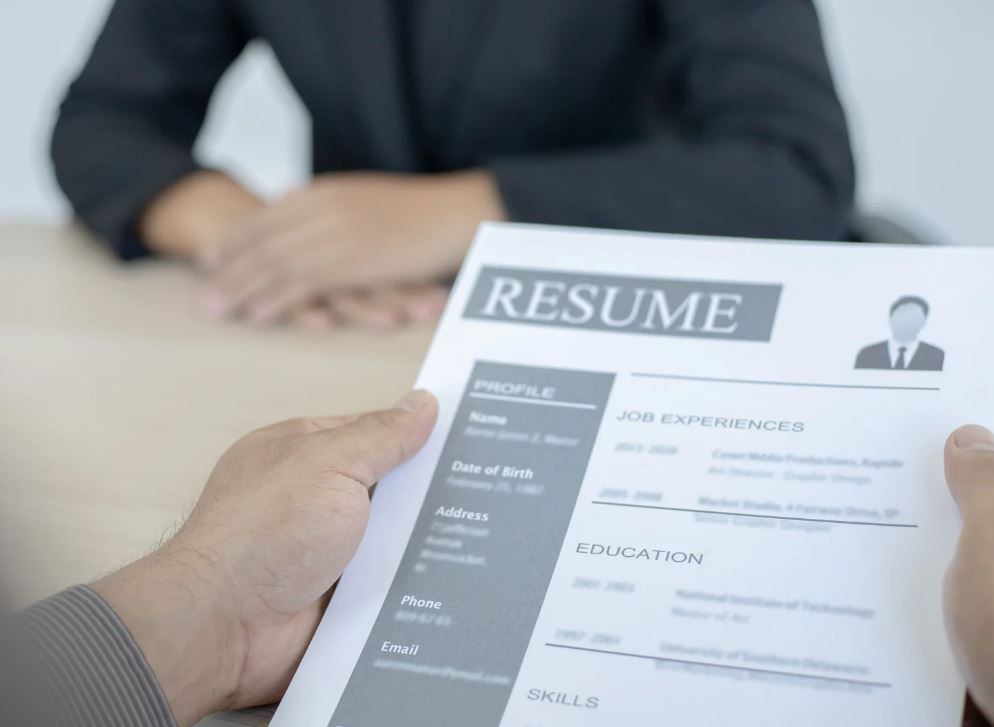
Step 2: Showcase Skills and Attributes on Your CV
A great CV doesn’t just list responsibilities—it shows how your skills made a difference.
✓ Personal Statement (Top of CV)
This short paragraph is your introduction. Use it to briefly mention key soft skills and attributes that make you a strong fit.
Example:
“Organised and reliable finance graduate with strong analytical and problem-solving skills. Known for attention to detail, quick learning, and a proactive attitude in deadline-driven environments.”
✓ Key Skills Section
Include a bullet list of 6–10 top skills and attributes relevant to the role. Blend technical skills and soft skills.
Example:
- Data interpretation
- Verbal and written communication
- Customer service
- Microsoft Excel
- Time management
- Conflict resolution
✓ Work Experience Section
Here’s where you show, not tell. Don’t just say “teamwork”—demonstrate it through real actions.
Instead of:
“Worked in a team.”
Try:
“Collaborated with a team of five to implement a new filing system, improving document retrieval speed by 30%.”
For each job, include:
- The task you completed
- The skill or quality you used
- The outcome/result
Step 3: Use Your Cover Letter to Add Depth
Your cover letter is a chance to expand on your personal strengths in a narrative format. Choose 2–3 key skills and attributes and connect them to the job description.
Example:
“In my previous role as a customer service assistant, I consistently demonstrated empathy and patience while resolving customer complaints. I took pride in maintaining professionalism during high-pressure situations and helped improve customer satisfaction scores by 18%.”
Tailor your language to match the tone of the company—more formal for corporate jobs, more conversational for startups.
Step 4: Prepare to Discuss Your Skills in the Interview
Now comes the live part of the application: your interview. This is where you bring your CV to life and prove you’re not just a good fit on paper.
✓ Use the STAR Method (Situation, Task, Action, Result)
Structure your answers like mini-stories that clearly show how you used a skill or demonstrated a personal quality.
Example – For “Problem-solving”:
“At my last job, we had a backlog of customer complaints (Situation). I was asked to identify the cause (Task). I analysed our CRM data and found that 60% were due to late replies. I created a shared inbox system and triaged requests daily (Action). Within one month, complaint response time improved by 40% (Result).”
✓ Anticipate Common Questions
Interviewers often ask:
- “Tell me about a time you overcame a challenge.” (resilience, problem-solving)
- “How do you handle tight deadlines?” (organisation, time management)
- “Describe a situation where you worked in a team.” (teamwork, communication)
- “What are your strengths?” (this is your chance to shine)
Always connect your answers to the core qualities mentioned in the job posting.
Step 5: Match Your Skills to the Role
Customisation is key. Don’t just talk about your favourite skills—talk about the ones that matter most for the job.
Example – Admin role:
Emphasise attention to detail, organisation, communication, and reliability.
Example – Sales role:
Focus on persuasion, resilience, confidence, and relationship-building.
Example – Healthcare or Care roles:
Talk about empathy, patience, teamwork, and stress management.
The more closely your skills and attributes match the role, the easier it is for the employer to imagine you in it.

Step 6: Show Your Skills Through Body Language and Demeanour
During the interview, it’s not just what you say—it’s how you say it.
- Confidence → Speak clearly and make eye contact
- Reliability → Arrive on time and be well-prepared
- Listening skills → Don’t interrupt and show you’re actively engaged
- Calmness under pressure → Answer tricky questions with composure
These subtle behaviours reinforce your skills without you having to say a word.
Step 7: Follow Up with Reinforcement
After the interview, a well-written follow-up email can reinforce your qualities.
Example:
“Thank you for the opportunity to interview for the role. I enjoyed discussing how my strong organisational skills and collaborative nature align with your team’s values.”
It shows professionalism, courtesy, and—once again—highlights your soft skills.
Quick Summary: How to Showcase Skills and Attributes
| Stage | What to Do |
| CV | Use bullet points and action-based examples |
| Cover Letter | Tell short stories linking your traits to job needs |
| Interview | Use the STAR method to prove skills with real examples |
| Body Language | Reflect professionalism and confidence |
| Follow-Up Email | Reinforce key traits and thank the interviewer sincerely |
Final Thoughts
From your CV to your interview, showcasing your skills and attributes isn’t about bragging—it’s about proving that you’re prepared, capable, and a great fit for the role.
Define your strengths, support them with examples, tailor them to each job, and let them shine throughout the hiring process.
Remember: employers don’t just hire experience—they hire people. The more clearly you can communicate who you are and what you bring to the table, the better your chances of turning applications into opportunities.
Want to improve the way you present your skills and attributes?
Explore our career-focused courses on CV writing, communication, and interview techniques—designed to help you stand out from application to offer.