Quick Overview
Personal skills are traits and abilities that enable individuals to interact effectively, build relationships, and collaborate within a team. They include communication, empathy, adaptability, problem-solving, and confidence, all of which enhance teamwork and overall productivity.
This blog will walk you through:
✅ What personal skills are and why they matter in team environments
✅ How personal skills like communication, empathy, and active listening improve collaboration
✅ Examples of personal skills in real-world and remote teams
✅ Ways to develop and strengthen personal skills for better teamwork
✅ The impact of personal skills on team success, trust, and performance
In each successful team, there’s a magic ingredient that often goes unnoticed: personal skills. These particular skills, which include communication, collaboration, and relationships, enable smooth communication, respect, and interactions.
Personal skills show up in every aspect of work. Whether it is in a group project, team, or a cross-functional department, personal skills shape a person’s ability to work alongside others. In most workplaces, particularly in the UK, teamwork is a priority; therefore, mastering personal skills is a necessity.
In this article, along with understanding what personal skills are, we will reflect on their importance and what steps can be taken to fortify them to improve collaboration.
💬 What Are Personal Skills?
Personal skills are a set of traits and skills that enable a person to interact with others in a positive way. These are the traits and skills that determine a person’s values and attitude. They include:
- Communication
- Empathy
- Flexibility
- Patience
- Problem-solving
- Dependability
- Active listening
- Self-assurance
- Open-mindedness
Technical personal skills are a requirement, but personal skills build relationships and are critical to success in a team.
🤝 Why Teamwork Matters
All activities in a team, because teamwork is a requirement in most activities, are done in an organised manner. In education, for instance, students work in groups, or in a certain way that is dictated through the collaborative work model, to help each other.
Constructive collaboration requires a good deal of trust, understanding, interaction, and all of these depend on good personal skills.
📌 How Personal Skills Improve Teamwork
Let’s break down exactly how personal skills help in a collaborative environment:
1. Communication Mastery: The Heart of Collaboration
Formal rapport-building fosters clear and respectful talk. Good communicators:
- Respect conversational balance and do not interrupt.
- Provide and seek questions for understanding.
- Give feedback in a constructive manner.
- Do not engage in gossip or passive-aggressive behaviour.
In everyday conversations, effective communicators help cultivate a transparent team culture.
2. Empathy: Understanding Others’ Perspectives
Empathy is the ability to perceive and share the feelings of others. A work environment lacking empathy:
- Does not appreciate the struggles of team members.
- Neglects to provide support to team members.
- Responses are often judgmental.
Empathy helps every team member feel important and adds value.
3. Adaptability: Flexibility When Plans Change
Teamwork often involves shifting responsibilities, last-minute changes, or new information. Personal adaptability allows you to:
- Adjust quickly without frustration
- Support others who may need help
- Stay solution-focused during changes
Rigid thinking slows progress, but adaptable people keep the team moving forward.
4. Dependability: Cultivating Reliability Within a Team
Trust functions as the currency of a team. It is earned once a team member attends the team meetings, meets deadlines, and is responsible enough to look after the role assigned to him/her.
Dependable individuals:
- Honor commitments
- Let their assignees know in good time if there are challenges.
- Provide help when needed.
Your dependability will reduce frustration and improve trust in the team.
5. Active Listening: Engaging With the Contribution of Others
To listen is more than to hear. Responding to the things that are said is a very sensitive thing. Active listeners:
- Allow others to make their points completely.
- Provide relevant and constructive feedback.
- Express their appreciation to the speakers, even if they do not agree.
This helps in promoting respect and eliminating misconceptions while promoting participation.
6. Problem Solving: Tackling The Problems Together
Problems are a part of working in a team. With the team, experts such as the individual personal problem solvers can:
- Change bad attitudes into good constructive actions.
- Ignore the blame and work on the solutions.
- Provide improvements without being bossy.
Great teams will not talk about things that can easily be solved. It should begin with teams that understand how to deal with difficulties.
7. Confidence: Contributing with Assurance
When you are confident, you are able to express ideas, ask questions, and even give feedback at times. Confident people are also able to:
Know their limits and seek assistance when required.
- View feedback as an opportunity.
- Empower others by endorsing their participation.
- In team projects or meetings, a confident and respectful voice can help balance collaboration.
8. Patience: Working and Managing Differences
Not everyone will agree with ideas, and not everyone works at the same pace. Working in a team requires coping with differences, and that is where patience comes in.
Patient individuals:
- Avoid rushing to a conclusion.
- Make room for slow movers.
- Stay calm when there is a disagreement.
This promotes an environment in which everyone is free to contribute.
9. Open-mindedness: Welcoming Different, New Ideas
Every team comes with different experiences and opinions. Close-mindedness will deny you new chances to change and create new things for you and your organisation.
People with this skill:
- Hear people out before judging.
- Look at the other side.
- Welcome new ideas and ways of doing things
With regard to workplaces in the UK, particularly in relation to equality and inclusivity, open-mindedness enhances team relations.
🧠 Real-World Example
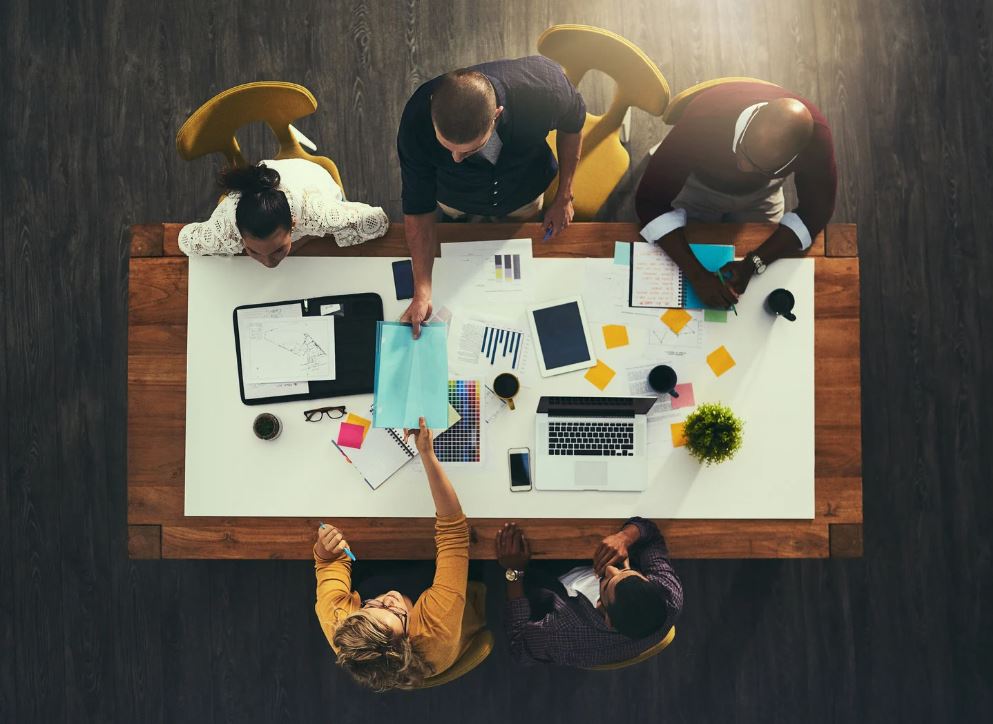
Picture a group that is working on a presentation. One person is more technical, another is more creative, and one likes leading the discussions more. If each member:
- Does active listening
- Expresses their strengths
- Follows flexible working styles
- Stays calm throughout edits and feedback
The outcome is more polished, more comprehensive, and more engaging.
This is the result of personal skills working together.
🔄 Personal Skills in Remote Teams
With more teams working from different locations or in remote environments, personal skills have become critical. Effective empathy, communication, and reliability become increasingly vital in the absence of physical interactions or casual office interactions.
If you are a member of a virtual team:
- Utilise video calls to enhance connection.
- Provide clear and respectful responses to messages.
- Honour deadlines and recognise the efforts of fellow team members.
- Emotionally intelligent remote team members become invaluable.
🎯 How to Improve Personal Skills in Teamwork
The good news is that personal skills are abilities that you can develop. Here is how to work on them:
- Act on feedback from team members and actively seek it.
- Think about your last collaborations. What elements were successful, and which were unsuccessful?
- Model the behaviour of peers whom you consider to collaborate effectively.
- Implement open conversations, patience, and active listening in your daily routine.
- Enrol in courses that specialise in communication, emotional intelligence, or conflict resolution.
Students and professionals based in the UK might want to look into CPD-accredited courses that focus on soft skills. These courses do more than enhance your CV—they can dramatically transform group interactions.
✅ Conclusion
Effective team collaboration goes beyond setting goals and providing instructions; it involves individuals who genuinely care about their team and showcase their best traits.
As a new employee, project lead, or participant in a group activity, your personal skills can enhance or diminish the collective experience.
Do strengthen and value them. Treat them with the same importance as hard skills. When you focus on team dynamics and do your part, the rewards come back to you.
Are you looking to enhance your skills as a team player?
Confident, collaborative, and respected contributors sharpen their skills in our personal development courses. Sign up today!