
Overview
Personal skills are the traits and behaviours that shape how you work, interact, and grow. Employers value these qualities as much as qualifications because they show how you handle challenges, collaborate, and adapt in real-world settings.
Key insights from this guide:
✅ Essential personal skills include communication, teamwork, problem-solving, adaptability, resilience, and leadership potential
✅ Demonstrating these skills with real-life examples makes your CV and interview responses stand out
✅ Align personal skills with the job description for maximum impact
✅ Continuous self-improvement ensures long-term career growth and workplace success
✅ Personal skills are what turn a CV into a reflection of who you are as a professional
When trying to achieve a specific career goal or get hired for a job position, having the right personal skills and attributes is important. However, it is equally important to note that who you are as a person is just as crucial to employers. This is where personal skills and attributes are taken into consideration.
Personal skills and attributes are the traits that shape your interactions with people, your work ethic, and your reaction to problems. These are the qualities that enable an individual to go through changes and succeed in interviews, and improve constantly.
So, what are personal skills and attributes that are truly essential to the employer? It doesn’t matter if you are a fresh graduate, a person willing to take a different job, or someone looking to advance in their current position; this is the crucial information for you.
Why Personal Skills Matter to Employers
Now more than ever, employers are looking for more than just someone who can fill a position. They are searching for candidates who possess:
- Care about teamwork
- Critical thinking abilities
- Flexibility
- Effective communication
- Integrity
Employers are looking for more than just hiring a candidate who has strong personal skills and attributes.
Top Personal Skills and Attributes Employers Want
Let’s break down some of the most sought-after personal skills and how to showcase them effectively.
1. Communication Skills
Why It Matters:
- Any team that operates effectively relies on good communication. Participants in a meeting or even email senders—everyone needs to communicate.
How to Show It:
- Give concise and organised applications (cover letter, CV).
- Share during the interview instances where you explained complex matters or spoke to resolve a conflict and won.
2. Teamwork and Collaboration
Why It Matters:
- Almost all employers want a team player. Flexibility to collaborate with your colleagues is becoming inevitable in today’s workplaces.
- Examples of teamwork to illustrate this learning outcome include group-based projects where you contributed towards a particular goal or shared team objectives, and milestones reached.
- Achievements of a collective effort should be promoted instead of self-focused accolades.
3. Problem Solving
Why This is Important:
- Every position has certain challenges that come with it. Every organisation wants a person who can detect problems, reason, and come up with a solution, either individually or in a group.
How to Exhibit It:
- When asked in an interview to explain an occurrence, recall applying the STAR method to structure your response. For example, “I had this Situation; my assigned Task was x. I completed it using this Action, and this was the Result.”
- Cite the many changes that you made in the past jobs that you held, if there were any.
4. Time Management
Why This Matters:
- The ability to manage workloads demonstrates that you are organised, dependable, and able to work within time constraints.
How to Exhibit It:
- Recollect the moments when you had to balance multiple projects and talk about how you managed to complete them within the time limits set.
- Give accounts of under under-pressure execution of projects and dealing with deadlines.
5. Ability To Change
Why This Is Important:
- The workplace is often very different from ergonomics studies. New ones, alongside new tools and strategies, arise at the most unexpected moments. The people who stay positive and flexible, shifting their attitudes as needed, are the ones who get the jobs.
How To Show This:
- Talk about experiences where you adjusted to new managers, shifts in the company’s structure, or new systems and how learning to follow those systems showed you are adaptable.
- Show an earnest desire to enhance your skills and attributes.
6. Self-Starter
Why This Is Important:
- A proactive self-starter does a lot without orders, working under their own motive, discouraging supervision.
- Give relevant occasions where you undertook extra tasks.
- Speak about the changes or improvements you made to the project.
7. Emotional Intelligence (EQ)
How To Showcase It:
- When applicable, speak of the instances when you provided assistance, support, managed conflicts, or remained composed under pressure.
- During job interviews, display the qualities of empathy and self-awareness.
8. Resilience
Why it is important:
- Setbacks happen to everybody. The major difference between us is how we choose to overcome those challenges. Resilient individuals learn from their mistakes without stagnating (in movement or growth) and continually advance.
How To Show It:
- Discuss periods or instances of hardships and failure, and weave in the narrations of how you bounced back to recapture your momentum.
- Answers with a growth mindset that emphasise lessons learned showcase resilience.
9. Leadership Potential
Importance:
- Even if you are not seeking a managerial position, possessing leadership traits such as decision making, influence, and taking responsibility is sure to be beloved to any employer.
How To Show It:
- Talk about instances and narratives where you held the responsibility of leading a project.
- Convey to us the moments where you showed team spirit by encouraging, empowering or supporting your peers.
10. Attention to Detail
Overview:
- Being meticulous is accurate is extremely useful in data handling, writing, finance and even design.
How to Demonstrate It:
- Provide your work history where you boast a flawless record.
- Your application serves as proof—error-free CVs are a must!
Showcasing Personal Skills and Attributes on Your CV
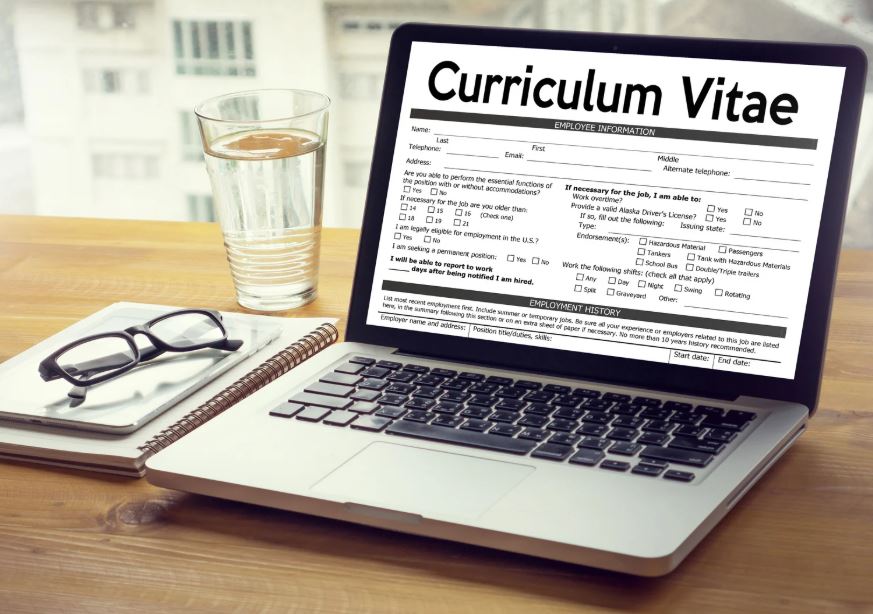
A CV that captures a person’s skills must also showcase them. Here is how:
- Give cases: Rather than writing “great team player,” capture “worked with 4 departments to launch a company-wide initiative.”
- Align with the job description: Customise your CV by listing your personal skills based on the traits the employer is looking for.
- Capture success: Show how your personal skills and attributes contributed to measurable outcomes.
Personal Skills and Attributes in Interviews: Stand Out
Interviews are your chance to bring your personal skills and attributes to life. Be honest, reflective, and specific.
Tips:
- Prepare stories that show off your top skills.
- Use real-life examples, not hypothetical ones.
- Stay calm, listen carefully, and answer with confidence—that alone demonstrates communication, EQ, and professionalism.
Why Personal Development Shouldn’t Stop After Getting Hired
Getting hired requires some level of personal development. However, keeping and growing in an organisation is only achieved through continuous self-improvement. One way to work on your skills is by:
- Seeking constructive criticism
- Studying emotional intelligence and effective communication
- Managing stress through mindfulness
- Participating in self-help workshops
- Regularly reflecting on your evaluations.
Continual self-improvement and investing in personal development make you more useful to any organisation.
Final Thoughts
You can grab someone’s attention through polished resumes; however, it is the personal skills that will help you thrive in diverse environments. During interviews, your future employer is not just hiring a CV, but rather a living human being with exceptional communication skills, integrity, flexibility, and resilience.
If you wish to enhance your chances of getting hired or advancing in your career, prioritising developing and promoting these core personal skills and attributes will do the trick. They will do more than just create a resume—they will define your career.
Eager to enhance your personal skills and attributes?
Visit our site to access courses on time management, effective communication, leadership, and many more, tailored for career starters to help them excel in the eyes of employers.