
Quick Overview
Leadership potential means showing the qualities and mindset of a leader—even before holding a formal title. It’s about how you act, think, and inspire others, not just your job position.
This guide covers:
✅ What leadership potential really means in the workplace
✅ Why personal attributes like adaptability, empathy, and accountability matter to UK employers
✅ The top traits that signal leadership readiness, from resilience to vision
✅ How to highlight leadership qualities effectively on your CV and in interviews
✅ The growing importance of leadership behaviours across UK industries
A job title or a team you manage doesn’t define you as a leader. Real leadership is reflected in your Personal Attributes, your way of thinking, and your interactions, even in the absence of a formal title. As a student preparing for your first leadership opportunity or as a professional eyeing a managerial role, sharpening and demonstrating the right personal characteristics can make all the difference.
In the United Kingdom, like in many parts of the world, the job market is very competitive. Companies are looking for candidates who are not only good performers but can also potentially manage others in the future. This blog looks at key personal attributes that signal leadership potential and the career progression that follows.
✅ What Does “Leadership Potential” Truly Mean?
Leadership potential is defined as a set of skills, qualities, and actions that predict future effective leadership. You may not hold the title, but you are already exhibiting the mindset and actions of a person who is willing and able to take charge, engage others, and deliver results.
It’s not only the confidence or the title that matters. Every impactful leader embodies incredible listening, support, adaptability, and the ability to motivate people.
🧠 The Importance of Personal Attributes Today
In the UK, organisations are moving away from traditional company hierarchies to adopt more collaborative, people-centred leadership structures. In such organisations, the way you think and behave, your emotional intelligence, and your trust-building skills are equally important to your qualifications, and in many instances, more.
When assessing leadership capabilities, most employers consider:
- Team participation and behaviour
- Engagement and initiative outside your role
- Communication during high-pressure situations
- Influence and support skills
These skills relate to your personal attributes and are not simply qualifications.
📊 Personal Attributes Indicating Leadership Quality
Here are the key personal attributes that signal you have what it takes to lead.
1. Self-Awareness
Great leaders know their own strengths and weaknesses. They reflect on their actions and learn from mistakes. Self-awareness is the foundation of emotional intelligence, and it’s crucial for building trust.
💡 Example:
“I regularly ask for feedback and take time to reflect after projects, which has helped me improve my team communication skills.”
2. Confidence Without Arrogance
Leaders make decisions, speak up, and take responsibility. But confidence doesn’t mean acting superior. It means believing in yourself while respecting others.
💡 Example:
“I’m comfortable presenting ideas in meetings and encouraging discussion, even when opinions differ.”
3. Accountability
True leaders take ownership—not only of success but also of setbacks. Being responsible and dependable earns the respect of colleagues and superiors alike.
💡 Example:
“When a group project went off-track, I took initiative to review our goals and propose a revised timeline.”
4. Resilience
Leadership often involves setbacks. Resilience shows your ability to adapt, stay calm under pressure, and bounce back stronger. It’s especially valued in fast-paced industries and during times of change.
💡 Example:
“Despite a tight deadline and last-minute changes, I stayed focused and kept my team motivated.”
5. Vision and Strategic Thinking
Even in junior roles, the ability to think ahead, spot opportunities, and align your work with broader goals is a strong sign of leadership.
💡 Example:
“I noticed our customer response times were slow and proposed a new ticket system, which helped reduce waiting time by 25%.”
6. Emotional Intelligence
A key attribute of leadership is the ability to understand, manage, and respond to emotions—both your own and others’. Leaders build trust through empathy and effective conflict resolution.
💡 Example:
“When a colleague was struggling with a workload, I offered support and helped prioritise tasks, improving our team’s morale.”
7. Decisiveness
Leaders must be capable of making tough calls—even with limited information. Being decisive shows confidence, maturity, and responsibility.
💡 Example:
“In a group presentation, I helped the team choose a direction quickly when we couldn’t agree, ensuring we met the deadline.”
8. Adaptability
Leadership isn’t about having all the answers—it’s about adjusting to change and staying effective in different situations.
💡 Example:
“I volunteered to lead a new software rollout, even though I had never done it before. I quickly learned the system and trained others.”
9. Integrity
People follow leaders they trust. Honesty, consistency, and ethical decision-making are vital personal attributes of someone ready to lead.
💡 Example:
“I always credit my team for their work and speak up when I see unfair practices, even when it’s uncomfortable.”
10. Motivational Mindset
Leaders bring people together and lift others up. Showing that you can encourage, empower, and influence others positively is a big green flag for leadership roles.
💡 Example:
“During a difficult project, I set up weekly check-ins to support the team and recognise individual efforts.”
📝 How to Highlight These Personal Attributes on a CV or in Interviews
If you’re applying for a job or internship and want to highlight leadership potential, here’s how to do it:
🔹 On Your CV
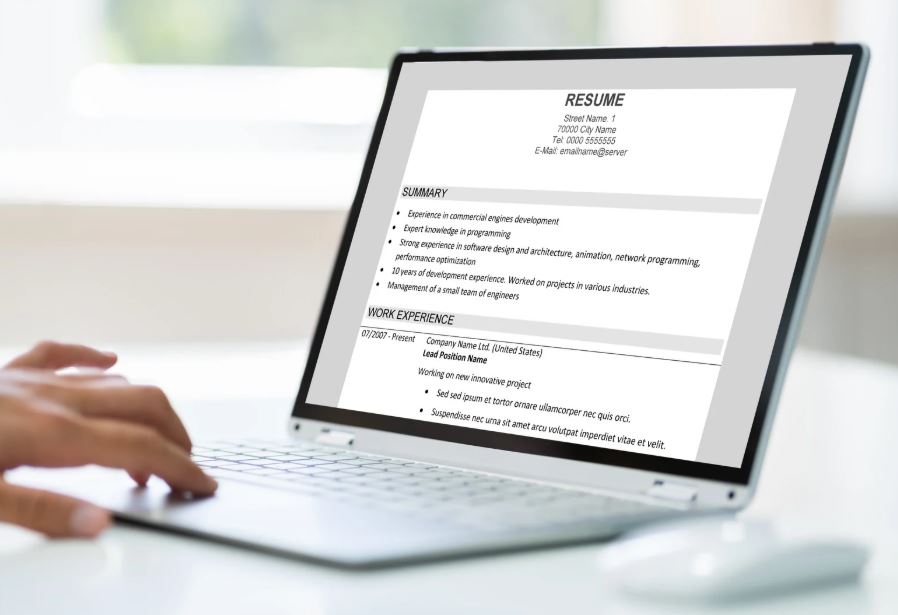
- Include a Leadership Profile or Personal Attributes Summary section
- Under each role or experience, give specific examples of leadership traits in action
- Use action verbs like led, initiated, improved, resolved, supported
🔹 In Interviews
- Prepare STAR-based answers (Situation, Task, Action, Result) that showcase leadership traits
- Discuss times you solved problems, supported others, or drove change
- Share what leadership means to you and how you’ve grown in that area
🎯 Real-World Context: Leadership in the UK Workplace
Employers across the UK—from the NHS to tech startups—are actively seeking people with the potential to grow into leadership positions. According to research from the CIPD, “leadership behaviours such as empathy, adaptability, and resilience are critical to post-pandemic workplace success.”
In sectors like education, healthcare, tech, finance, and digital marketing, showing leadership attributes from the start can fast-track your career.
💡 Final Thoughts
You don’t need to be a manager to be a leader. Leadership potential is reflected in your attitude, initiative, and how you treat others. By developing and showcasing the personal attributes we’ve explored above, you can signal to employers that you’re not just a capable worker—but someone worth investing in for the long term.
Whether you’re preparing for your first job or ready to step up in your current role, focusing on these qualities can shape your professional path—and inspire others along the way.
Want to build your leadership skills or enhance your CV?
Explore our online courses and career resources at Jobsland, designed to help you grow professionally and become the leader you’re meant to be.
Let’s take the first step together.