
Quick Overview
Confidently describing skills and personal qualities is a key part of professional success. It ensures strengths are presented clearly, backed by evidence, and tailored to the right platform—without sounding boastful or generic.
This blog covers:
✅ Why confidence in articulating skills matters for career growth and first impressions
✅ The distinction between skills (what can be done) and personal qualities (who a person is)
✅ How to select the most relevant skills and qualities for specific roles
✅ Using strong, confident language to avoid timid or vague phrasing
✅ Applying the STAR method to provide credible, evidence-based examples
✅ Highlighting both hard skills (technical) and soft skills (interpersonal) for balance
✅ Tailoring skill descriptions for CVs, LinkedIn profiles, and interviews
✅ Practising articulation to make confident self-presentation a natural habit
Whether you are crafting a CV, preparing for an interview, or refreshing your LinkedIn profile, being able to articulate your skills and qualities can make a significant difference.
But many people seem to stumble here. Do you feel like you’re either overselling or underselling yourself? Does that ring a bell?
If yes, then this blog is for you. We will explore actionable steps for you to discover, refine, and express your strengths with confidence. No need to sound arrogant or overly generic.
Why Confidence Matters When Describing Your Skills and Qualities
Confidence is not about boasting; it is about asserting with clarity and conviction. Describing your skills and qualities with confidence allows you to:
- Make a positive first impression.
- Differentiate yourself from the competition in the job market.
- Demonstrate to recruiters and hiring managers that you value your skills and qualities.
- Enhance your chances of progressing through the interview rounds.
When you are not confident, your framing shifts to passive and tentative. Instead of saying, “I led a successful campaign that improved X by 20%,” you might say, “I helped a bit with…” That timid framing can prove very costly, even to a highly capable candidate.
Step 1: Understanding What Skill Distinction Means
Knowing what you are working with helps you describe the skills and qualities effectively.
🔹 Skills = What You Can Do
These are your learned abilities—things you’ve gained through experience, training, or education.
Examples:
- Data analysis
- Project management
- Graphic design
- Writing and editing
- Negotiation
🔹 Personal Qualities = Who You Are
These are your traits, attitudes, and characteristics that influence how you work.
Examples:
- Dependable
- Creative
- Empathetic
- Resilient
- Organised
When describing yourself, it’s often the blend of both that’s most powerful.

Step 2: Choose the Right Skills and Qualities for the Role
You don’t need to list every skill you have—only the ones that are most relevant.
Here’s how to narrow it down:
- Read the job description carefully
- Highlight recurring keywords or traits they mention
- Match your own skills and qualities to these
- Think of real examples where you’ve demonstrated each one
Example:
Job description says: “Looking for someone proactive, detail-oriented, and good with data.”
You respond with:
“I’m naturally proactive—at my last job, I took the lead in streamlining our inventory tracking system, reducing data errors by 30%.”
That’s much more effective than simply saying, “I’m proactive.”
Step 3: Use Confident Language (Without Bragging)
Avoid wishy-washy phrases like:
- “I think I’m quite good at…”
- “I’ve done a bit of…”
- “Maybe one of my strengths is…”
Replace them with confident and clear alternatives:
- “I’m skilled in…”
- “I have experience with…”
- “One of my key strengths is…”
- “I consistently deliver strong results in…”
- “Colleagues often rely on me for…”
The difference is subtle but powerful. You’re owning your abilities rather than tiptoeing around them.
Step 4: Use Examples to Prove It
Anyone can claim to have “good communication skills” or be “a team player.” What makes you stand out is evidence.
Structure your examples with the STAR method:
- Situation: What was the context?
- Task: What was the challenge or responsibility?
- Action: What did you do?
- Result: What was the outcome?
Example (for problem-solving):
“Our team faced a major delay in product launch due to supplier issues. I analysed alternative suppliers, negotiated terms, and helped secure a deal within a week, which got the project back on track with minimal loss.”
This makes your skills and qualities memorable and credible.

Step 5: Make Your Descriptions Dynamic
Vary your phrasing so it doesn’t sound repetitive or robotic.
Here are some confident ways to begin skill-based statements:
- “I’m experienced in…”
- “I’ve developed strong expertise in…”
- “One of my greatest strengths is…”
- “I’m regularly praised for my ability to…”
- “My role involves…”
- “I bring a unique ability to…”
- “I thrive when working on…”
Mix these in your CV, LinkedIn profile, and interview answers.
Step 6: Highlight Both Hard and Soft Skills
Don’t make the mistake of only focusing on one or the other.
Hard Skills (Technical Skills):
- Use measurable results or tools
- Mention certifications or experience with systems
Example:
“Proficient in Microsoft Excel, including VLOOKUPs and pivot tables, which I used to automate monthly reports—cutting reporting time by 40%.”
Soft Skills (Interpersonal):
- Use team settings, feedback, or leadership examples
Example:
“I’ve always been someone who listens first. During a conflict between departments, I facilitated a meeting that helped both sides understand the root issue, which led to a smoother collaboration.”
Showing both gives a fuller picture of who you are.
Step 7: Tailor Your Message to the Platform
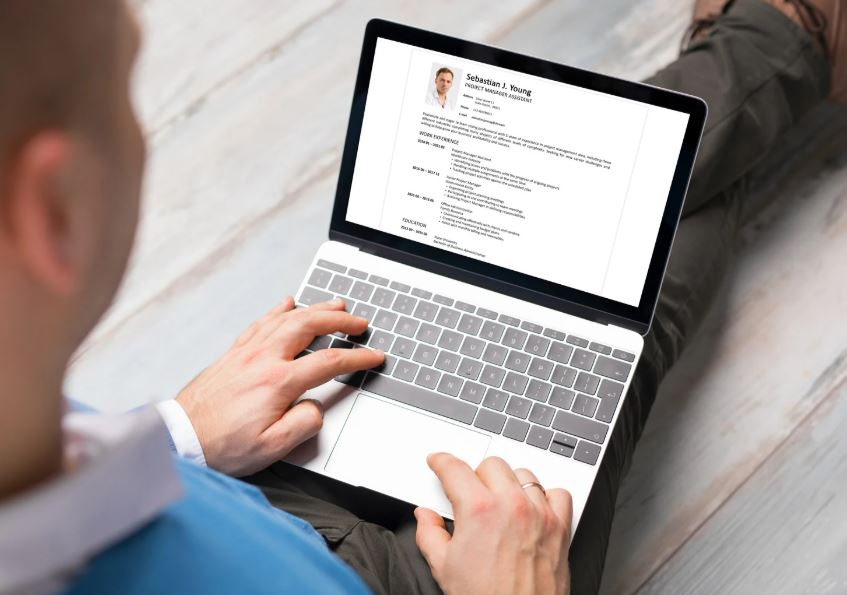
How you describe your skills and qualities should change depending on where you’re presenting them.
On your CV:
- Use bullet points with results
- Focus on active verbs
- Prioritise relevance
Example:
“Led weekly training sessions on CRM software, resulting in a 25% increase in team productivity.”
On LinkedIn:
- Slightly more conversational
- Use keywords for better visibility
Example:
“Skilled in client relationship building and digital marketing strategy, with a proven track record of increasing brand engagement.”
In an interview:
- Speak naturally
- Back each strength with a story
- Adapt based on the job role
Example:
“One of my strengths is time management. In my previous job, I managed multiple product launches and never missed a deadline, even during peak seasons.”
Step 8: Practise Speaking About Yourself
Confidence often comes from preparation. Try this:
- Write down 5 key skills and 3 personal qualities
- For each, write a short story or example
- Practise saying them aloud—record yourself if needed
- Ask a friend or mentor for feedback
The more you do it, the more naturally it’ll flow in real conversations.
Final Thoughts
Describing your skills and qualities with confidence is a vital professional skill in itself. It’s not about being boastful—it’s about being clear, honest, and compelling.
The key is knowing yourself well enough to back up your claims with evidence, express your strengths in plain language, and speak with calm assurance.
So whether you’re building your CV, polishing your LinkedIn profile, or walking into an interview—you now have the tools to present the best version of you.
Looking to refine your professional strengths further?
Explore our career development courses designed to help you identify, improve, and communicate your skills and qualities confidently—whether you’re job hunting, aiming for a promotion, or planning a career shift. Take the next step with us today.